Why White Marquee Tents Remain a Practical Choice
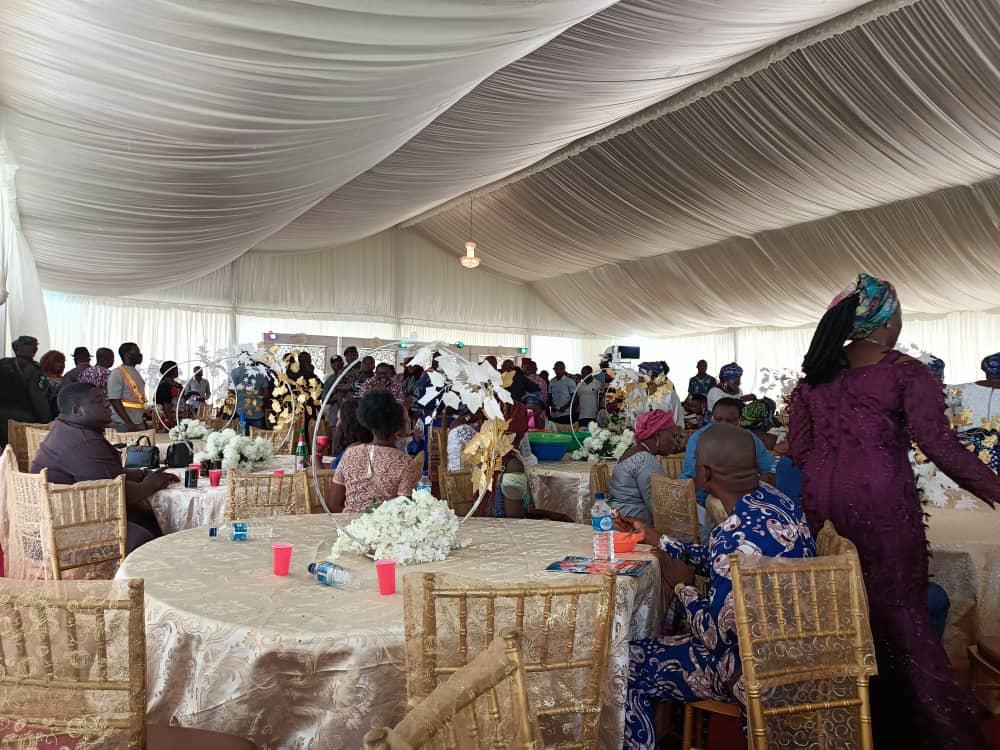
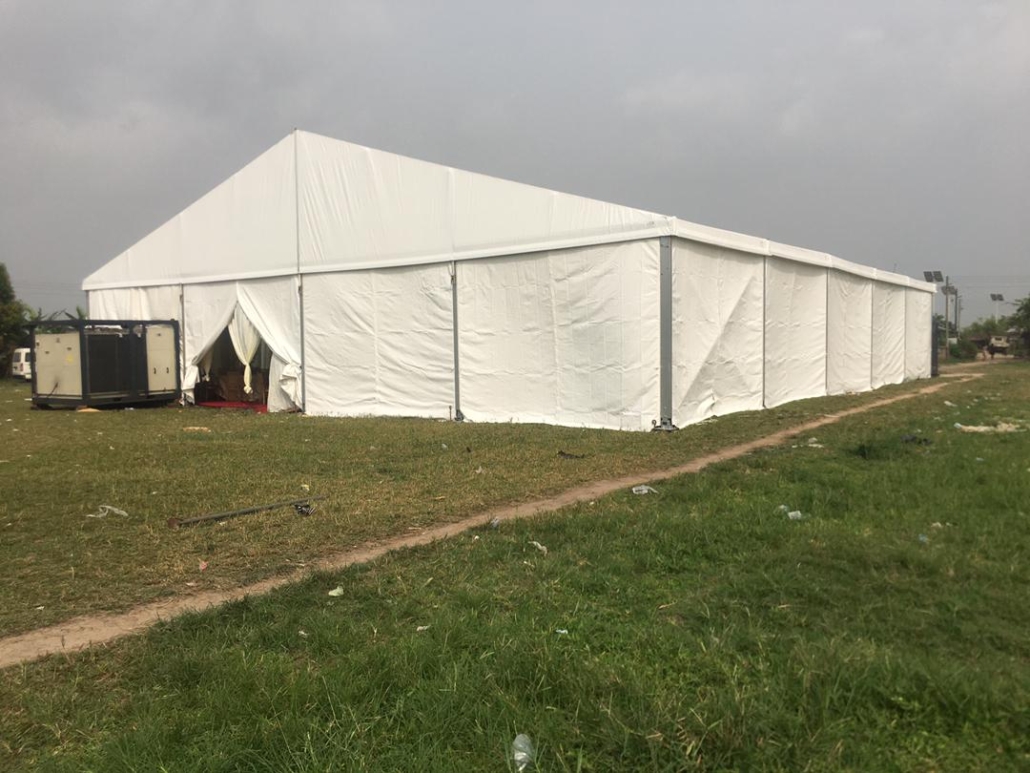
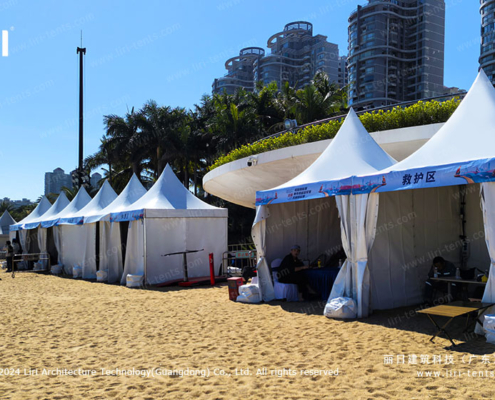
White marquee tents work across weddings, exhibitions, temporary dining spaces and corporate events because the neutral exterior does not compete with the event identity. Inside, a light-coloured roof helps distribute daylight and gives lighting designers a predictable surface after dark. It is also easier to combine white panels with printed branding, clear walls or coloured interior linings.
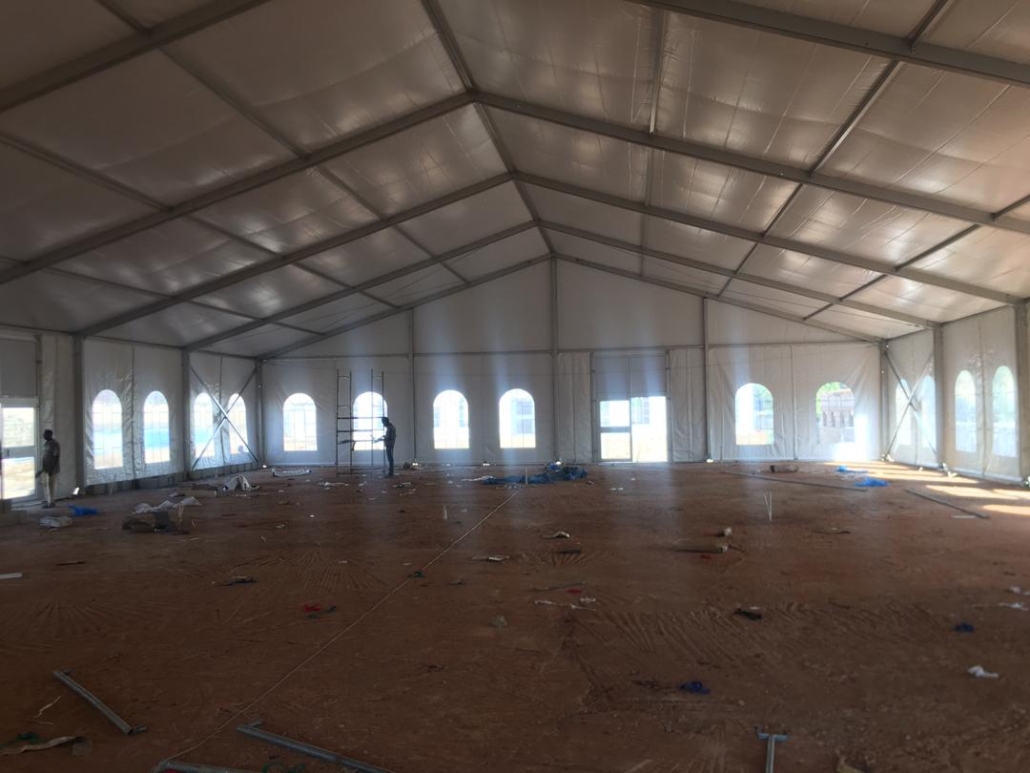
The colour alone does not determine quality. Buyers should look closely at the frame system, roof and wall fabric, connections, anchoring options and replacement parts. A marquee that will be installed repeatedly has different priorities from one intended for seasonal or semi-permanent use.
Match the Structure to the Intended Work
Begin with the site, occupancy and operating period. A private event may need an open, decorative interior, while a public exhibition also requires planned entrances, exits, service routes and space for technical equipment. If the same white marquee will serve several event types, a modular bay system and interchangeable wall panels make the inventory easier to adapt.
- Record the maximum clear width and useful length required.
- List likely floor loads, suspended items and service equipment.
- Identify whether the structure will sit on grass, concrete or mixed surfaces.
- Confirm vehicle access for delivery and installation.
Review the Cover as a Replaceable Component
Event fabric is exposed to handling, tension, sunlight and weather. Ask how individual roof and wall sections are identified so a damaged panel can be replaced without changing the whole cover. Panel size, seams, fixings and storage method all affect maintenance. A cleaning plan is especially important for a white exterior because marks are easier to see.
For daytime events, opaque white roof panels provide shade and reduce glare. Clear or translucent inserts can be used selectively where a view or additional daylight adds value. Mixing panel types is often more useful than specifying one material throughout.
What to Compare Before Ordering
Quotations are easier to compare when they follow the same scope. Request a component list showing the frame, cover, walls, doors, anchoring and any flooring or accessories. Clarify which items are standard and which are optional. Drawings should show external dimensions as well as the clear internal space.
Also consider what happens after delivery. Assembly documentation, labelled components, packing racks and access to compatible spare parts can matter more over time than a small difference in the initial specification. A well-chosen white marquee tent should be straightforward to deploy, maintain and reconfigure for the events it is expected to support.